
Stewart County Weekly Arrest Log
The Stewart County Sheriff's Office posts no booking blotter. No searchable jail roster and no archive appear there either. A rolling window of Stewart County arrests is simply not published there. That removes any promise of seven days of names. It also cuts any claim of a cutoff hour, weekend refreshes, or a fixed expiration point. No photo display exists either.
A multi-day request starts with the date range. Then identify who holds each record. The sheriff keeps the county booking sheet and jail register. Richland Police or Lumpkin Police may own the arrest report itself. Later filings and outcomes sit with the court clerk. Arrest time, first appearance, bond, release, and court filing can land on separate dates.
Build a Stewart Arrest Timeline
No published Stewart County blotter exists, so build a dated trail yourself. Attach the source and date to every fact, since weekly news often runs days behind the event.
- Choose a clear range and verify the event occurred in Stewart County, Georgia.
- Ask the arresting agency for its arrest or incident report number.
- Ask the sheriff for booking, bond, release, and transfer entries.
- Contact the proper court for filings and final disposition.
- Use news for context, then verify charges with the named agency.
The sheriff's official FAQ points report requests to published contacts. Its criminal-history form is a separate document, so describe the event, give the dates, and ask for a cost estimate.
Stewart Arrest Record Fields
Stewart County publishes no log columns online, so request these fields and reconcile them by hand rather than assuming any appear publicly.
| Element | Meaning |
|---|---|
| Arrest date and location | The enforcement event and likely jurisdiction. |
| Booking date and number | Jail intake and its linked custody entries. |
| Arresting agency | The office likely holding the incident report. |
| Charges as booked | Intake charges, not adjudicated guilt. |
| Bond | An initial release condition that may change. |
| Release or transfer | The reason county custody ended. |
| Booking photograph | May exist, but no online display policy was verified. |
Match more than a name; identifiers, dates, and agency matter. Charges can change, so verify the outcome with the court.
Stewart Weekend Record Gaps
No Stewart source shows a weekend surge or Monday batch. Nor is there a fixed publication schedule. Office hours, booking work, court calendars, and news deadlines all run on different clocks, so a Monday report may describe a weekend arrest while weekly coverage appears even later.
For a fresh event, follow the Daily Arrest Report route. For a multi-day span, preserve the exact dates and ask whether records exist for each day.
Older Stewart Arrest Archives
Georgia's local-government retention schedule sets firm windows. Jail booking records and registers each last ten years, counted from release or the final entry. Incarceration lists survive just one year. They are rules, not access promises.
Start with the creator. Ask whether the file remains local, sits under a hold, or was destroyed under schedule. Historical Stewart justice and jail material may surface in Archives finding aids, but the Georgia Archives schedule is not a live arrest database.
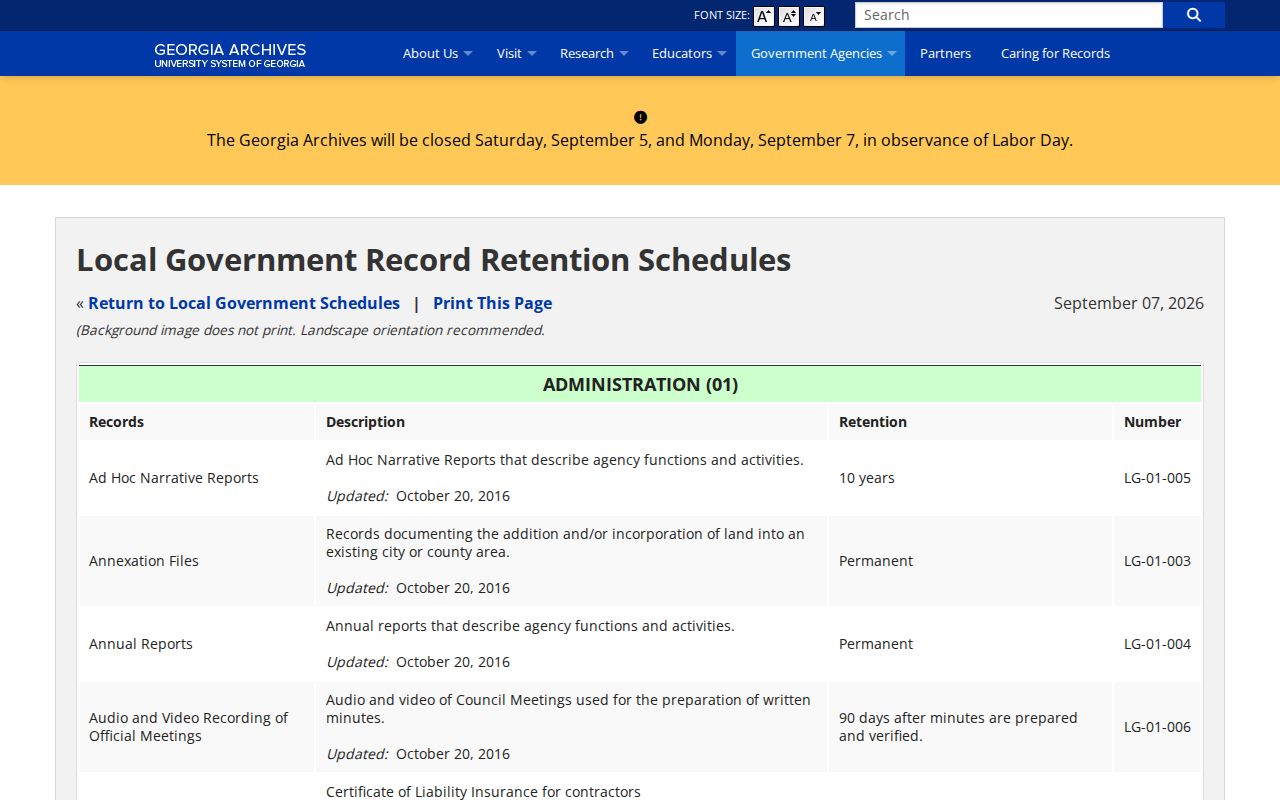
The schedule explains why a short list expires while the underlying booking file still exists.
Stewart Arrest News Is Episodic
The Stewart Webster Journal is the county's weekly, but its jail-log feature covers Marion County, not Stewart. No accessible Stewart arrest-log section exists there. Regional reporting adds context without forming a complete chronology.
WTVM crime coverage picks up major Stewart cases, though its December 2024 Lumpkin story ran a generic image rather than a booking photo. GBI releases cover selected cases too. Neither shows current jail status.
The WTVM Stewart report shows how attribution works case by case.
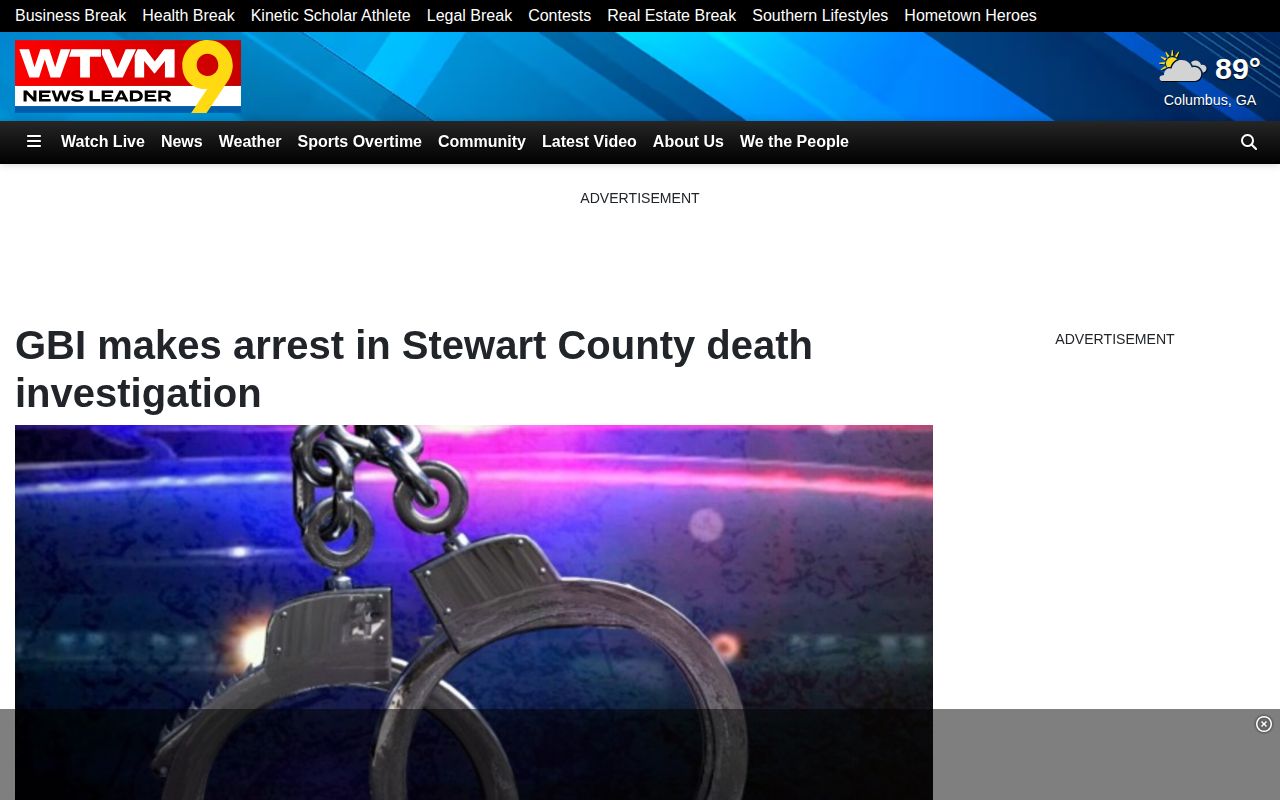
A single news account is no booking archive, so check it against official and court records before relying on it.
Avoid False Stewart Arrest Logs
Search engines surface a Stewart County, Tennessee ISOMS portal. It offers 24-hour, 240-hour, and warrant links. The cities and court terms inside prove the mismatch. Nothing from that portal belongs in a Georgia arrest timeline, so verify the state, the agency domain, and the phone area code before trusting any page.
The real Georgia Mugshots.com page is mostly historical, with visible dates from 2011 through 2016. It is not current custody. Busted Newspaper, RecentlyBooked, Arrests.org, and Mugshots.zone show no Georgia Stewart section, and unofficial pages run stale, thin, or wrong-state. Official sources must lead.
Note: A source that names Stewart County is not enough; confirm Georgia before adding it to an arrest timeline.
Request a Stewart Arrest Range
A strong multi-day arrest request starts with the basics. Give the person's name when you have it. Add a start and end date, the likely agency, and the record types you need. Ask for each item on its own line. That means one request for the arrest report, another for the booking sheet, and separate asks for the jail-register entry, bond record, and release or transfer record. One document rarely holds the full sequence. When the name is shaky, offer a location, an approximate time, and a report number instead of making staff guess.
Georgia's Open Records process lets an agency spell out what it keeps, what it can produce, what gets redacted, and what retrieval costs. The three-business-day duty is a response rule. It does not promise delivery by day three. A broad weekly arrest request can take real work. Narrow it. That protects both accuracy and cost.
The sheriff's office sits at 1980 Broad Street, with mail to P.O. Box 817, though county material lists another courthouse address. Call (229) 838-4311 before you visit or mail anything, and remember that Richland and Lumpkin police handle their own incident records while the sheriff remains the county-booking starting point.
Stewart Arrests After Booking
A blotter stops at booking. The legal record keeps going. Arraignment is where charges are formally addressed. Bond sets the conditions of release. Disposition is the final court outcome. Each term marks a different point in the process, so none of them belongs on the arrest date itself.
The Georgia Courts e-access gateway includes Stewart Superior availability through a provider that may require an account. The Stewart clerk can explain local access to filed criminal cases. A missing court result has a few common causes. The case may be too new, sit in another court, or need a different search route. When a news story reports charges, keep its attribution and publication date. Then check the later docket, because the final record gives a far fuller account than an old name in a third-party index.
Trace Stewart Custody Changes
Bond timing is not a publication clock. The sheriff says bond may issue right after booking or within 72 hours, depending on the charge. That explains why custody paths differ. The department publishes no fixed Stewart posting schedule, so ask directly for the bond record and its entry date.
Someone missing from county custody may have been released, sent to another county, moved to state custody, or transferred into a federal or immigration branch. Log each transition. Contact both custodians.
Record the exact source of every status. Sheriff responses, police reports, court dockets, news stories, and historical directories each carry different authority and different dates. A weekly arrest timeline works best when it shows those distinctions rather than forcing every event into one unverified blotter.
For events spanning a weekend or holiday, note when each office received and answered the request. Stewart County follows no posted cadence. A dated agency response beats guessing when an online entry should have appeared. Preserve later corrections as part of the same timeline.